1
/
of
1
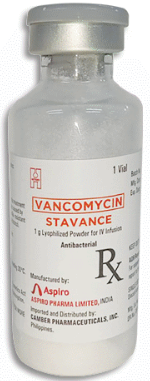
Stavance (Vancomycin Hydrochloride)
Stavance (Vancomycin Hydrochloride)
Regular price
₱1,255.00 PHP
Regular price
Sale price
₱1,255.00 PHP
Taxes included.
Quantity
Couldn't load pickup availability
Stavance (Vancomycin Hydrochloride) is a potent glycopeptide antibiotic used to treat serious and life-threatening bacterial infections, particularly those caused by methicillin-resistant Staphylococcus aureus (MRSA) and other gram-positive pathogens resistant to beta-lactam antibiotics.
Indicated for treating severe infections including bacterial endocarditis, hospital-acquired pneumonia, meningitis, and other serious gram-positive infections when alternative antibiotics are ineffective or contraindicated. Vancomycin is the standard-of-care antibiotic for MRSA-related conditions due to its proven efficacy against resistant organisms.
The medication works through bactericidal action by inhibiting bacterial cell wall synthesis, disrupting peptidoglycan cross-linking and leading to cell wall rupture and bacterial death. This mechanism makes it effective against organisms that have developed resistance to penicillins and cephalosporins.
Administered intravenously, typical dosing ranges from 15–20 mg/kg every 8–12 hours, with adjustments based on renal function, infection site, and severity. Therapeutic drug monitoring is recommended to optimize efficacy and minimize toxicity.
Key monitoring parameters include serum creatinine and blood urea nitrogen for nephrotoxicity assessment, audiometry for ototoxicity screening, and vancomycin trough levels (target 15–20 mcg/mL for most infections). Common side effects include infusion-related reactions (flushing, pruritus), nephrotoxicity, ototoxicity, and rarely, Stevens-Johnson syndrome. Rapid infusion increases the risk of Red Man Syndrome, managed through slower infusion rates and premedication with antihistamines and corticosteroids.
Stavance is essential for healthcare settings managing severe bacterial infections where clinical outcomes depend on reliable antibiotic coverage against resistant pathogens.
Indicated for treating severe infections including bacterial endocarditis, hospital-acquired pneumonia, meningitis, and other serious gram-positive infections when alternative antibiotics are ineffective or contraindicated. Vancomycin is the standard-of-care antibiotic for MRSA-related conditions due to its proven efficacy against resistant organisms.
The medication works through bactericidal action by inhibiting bacterial cell wall synthesis, disrupting peptidoglycan cross-linking and leading to cell wall rupture and bacterial death. This mechanism makes it effective against organisms that have developed resistance to penicillins and cephalosporins.
Administered intravenously, typical dosing ranges from 15–20 mg/kg every 8–12 hours, with adjustments based on renal function, infection site, and severity. Therapeutic drug monitoring is recommended to optimize efficacy and minimize toxicity.
Key monitoring parameters include serum creatinine and blood urea nitrogen for nephrotoxicity assessment, audiometry for ototoxicity screening, and vancomycin trough levels (target 15–20 mcg/mL for most infections). Common side effects include infusion-related reactions (flushing, pruritus), nephrotoxicity, ototoxicity, and rarely, Stevens-Johnson syndrome. Rapid infusion increases the risk of Red Man Syndrome, managed through slower infusion rates and premedication with antihistamines and corticosteroids.
Stavance is essential for healthcare settings managing severe bacterial infections where clinical outcomes depend on reliable antibiotic coverage against resistant pathogens.
Share